How Amazon Return Bins Work: The Full Story Behind Bin Store Treasure Hunts
Curious where Amazon returns really go? See how return bins work, from warehouse sorting to bargain bins, plus tips from Deals 4 Less in Fresno.
Key Takeaways
- A large share of returned Amazon packages never go back on the virtual shelf they get rerouted into a separate liquidation pipeline instead.
- Liquidation companies buy these returns by the pallet or truckload, largely unseen, then resell them to smaller resellers and bin stores.
- Bin stores tip the unsorted inventory straight into bins and drop prices daily until the next restock, turning shopping into a bit of a game.
- Because items are untested and unsorted, a little detective work goes a long way check for damage, missing parts, and function before you buy.
What Really Happens After You Hit “Return”
Think about the last thing you sent back to Amazon. Maybe the shoes ran small, the blender didn’t match the photos, or a gift just wasn’t your style. You printed a label, dropped the box off, and moved on with your life. But that box didn’t vanish it started a journey that ends, more often than shoppers realize, on the shelves of an amazon bin store in Fresno or one just like it.
Online shopping generates an extraordinary volume of returns every year, and Amazon is no exception. Industry estimates suggest that roughly three in ten online purchases eventually get sent back, and with billions of orders moving through Amazon’s network annually, that adds up to a staggering amount of merchandise that needs somewhere to go.
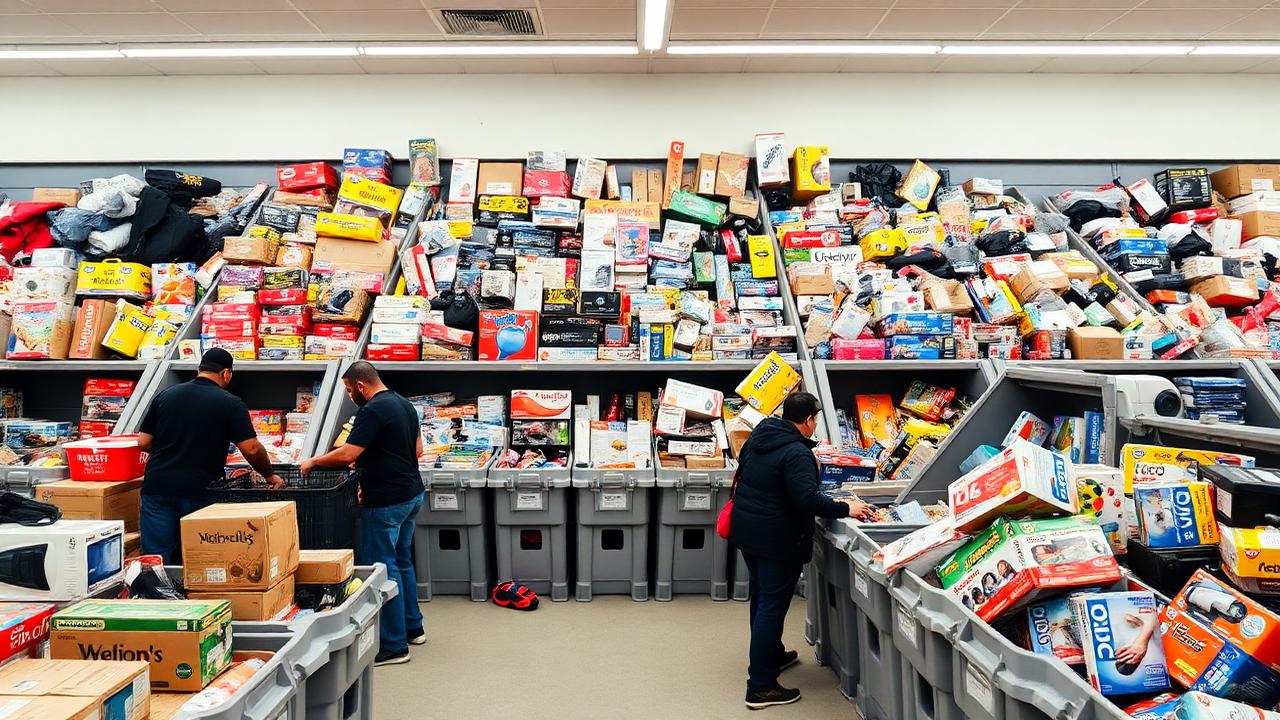
Only a portion of that flood gets cleaned up, repackaged, and quietly relisted. The rest is where things get interesting and where bin stores enter the picture.
The Pipeline: From Fulfillment Center to Wholesale Pallet
When a returned item lands back at an Amazon fulfillment center, it doesn’t just get shelved again. It's inspected and sorted into rough condition categories: like-new and resellable, opened but functional, cosmetically damaged, or missing parts entirely. That grading decision determines what happens next.
Items in great shape may get relisted directly or routed through the Amazon Warehouse or Renewed programs.
Everything else which is often the majority gets bundled by the pallet or truckload and sold off in bulk through liquidation marketplaces and auction platforms that specialize in moving excess and returned inventory quickly.
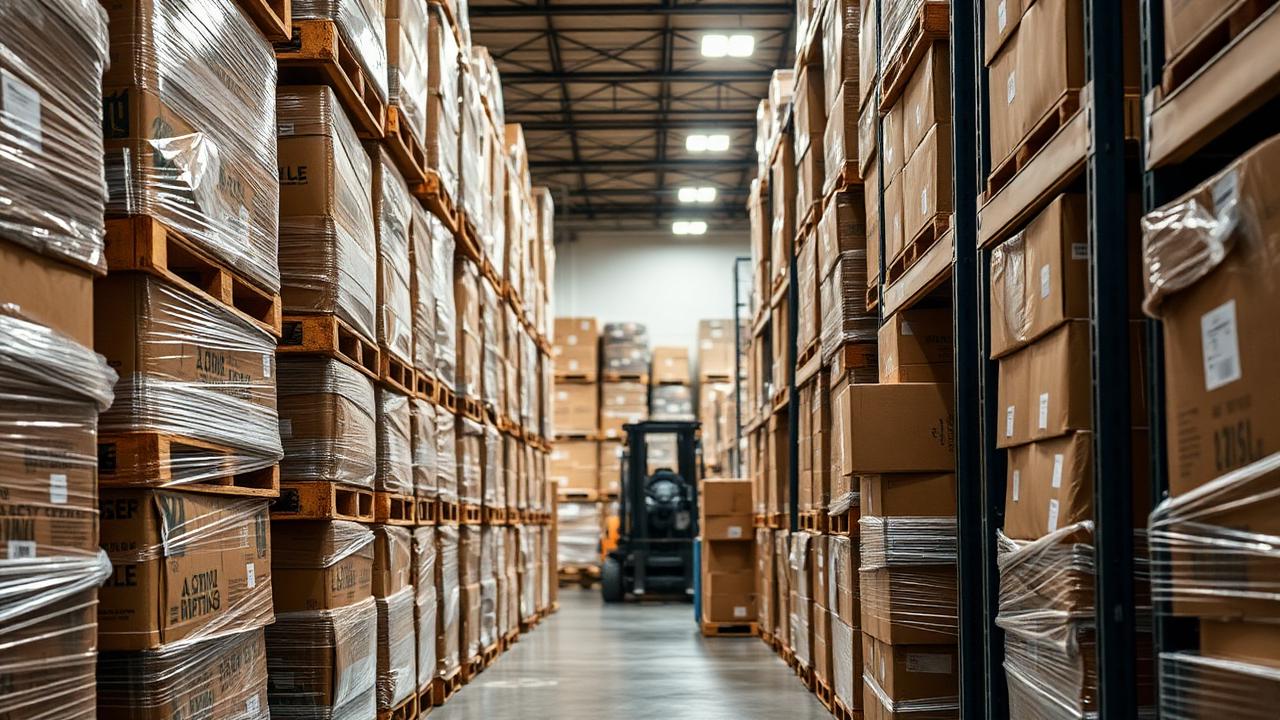
Those pallets are usually sold mostly sight-unseen, sometimes with a manifest listing what should be inside and sometimes without one at all. Regional wholesalers and independent resellers buy them up, and a portion of that inventory eventually gets broken down further and sold to the small storefronts commonly known as bin stores.
The Journey of a Typical Return
| Stage | What Happens | Where It Goes Next |
|---|---|---|
| 1. Customer return | Item is shipped back with a prepaid label | Amazon fulfillment / return center |
| 2. Inspection & grading | Condition is checked: like-new, opened, damaged, or incomplete | Sorted into a resale or liquidation category |
| 3. Resale attempt | Like-new items may be cleaned and relisted | Amazon Warehouse / Renewed listings |
| 4. Bulk liquidation | Remaining items are palletized in mixed lots | Sold to wholesalers via liquidation marketplaces |
| 5. Reseller purchase | Wholesalers buy pallets or truckloads at a fraction of retail value | Regional resellers and bin stores |
| 6. Bin store floor | Items are dumped into unsorted bins, restocked on a set day | Local shoppers digging for deals |
Why Retailers Liquidate Instead of Restocking Everything
It might seem strange that a company as efficient as Amazon wouldn’t just put every returned item back up for sale. But restocking isn’t free. Every returned box has to be opened, tested, cleaned, repackaged, and re-photographed if needed and for a lower-priced item, that labour can cost more than the item is worth to recover.
Warehouse space is also valuable real estate. Holding onto slow-moving or already-opened inventory ties up shelf space that’s better used for new, full-price stock. Selling everything off in bulk clears that space fast, generates some recovery value, and shifts the sorting work downstream to the businesses bin stores among them that are set up to handle it.
It’s a bigger business than most shoppers assume. With billions of Amazon orders shipped each year, even a modest return rate produces enough excess inventory to support an entire secondary market of liquidators, wholesalers, and resellers (see this breakdown of the liquidation pipeline for a closer look at how that supply chain fits together).
How Bin Stores Turn Pallets into a Treasure Hunt
Once a bin store gets its hands on a fresh load, the goal isn’t to sort everything neatly onto shelves it’s to get it in front of shoppers fast. Boxes are opened and the contents are tipped directly into large waist-high bins, mixing electronics, kitchen gadgets, toys, tools, and clothing side by side.
Most bin stores follow a similar rhythm: a set restock day when fresh merchandise hits the floor and prices are at their highest, followed by daily price drops as the week goes on. By the final day before the next restock, whatever’s left is often priced to clear out completely. That cycle rewards early shoppers who want first pick, while still giving patient bargain hunters a reason to come back later in the week.
Because nothing is tested or verified before it lands in the bin, part of the fun and the risk is not knowing exactly what you’ll find until you start digging.
Bin Stores vs. Other Ways to Buy Amazon Returns
| Feature | Bin Store | Amazon Warehouse | Traditional Retail |
|---|---|---|---|
| Inventory type | Mixed liquidation & returns | Inspected Amazon returns | New, full-price stock |
| Packaging condition | Often opened or repackaged | Graded, described condition | Factory sealed |
| Item testing | Untested, buyer inspects | Checked before relisting | Not applicable — new |
| Selection consistency | Changes with every restock | Rotates based on returns | Consistent, planned stock |
| Browsing experience | Hands-on bin digging | Online browsing only | Shelved and organized |
| Discovery factor | High — surprise finds | Low — searchable listings | Low — predictable inventory |
Tips for a Smarter Bin Store Trip
- Arrive on or near restock day if you want first pick of the best items, and don’t be afraid to go back later in the week when prices drop.
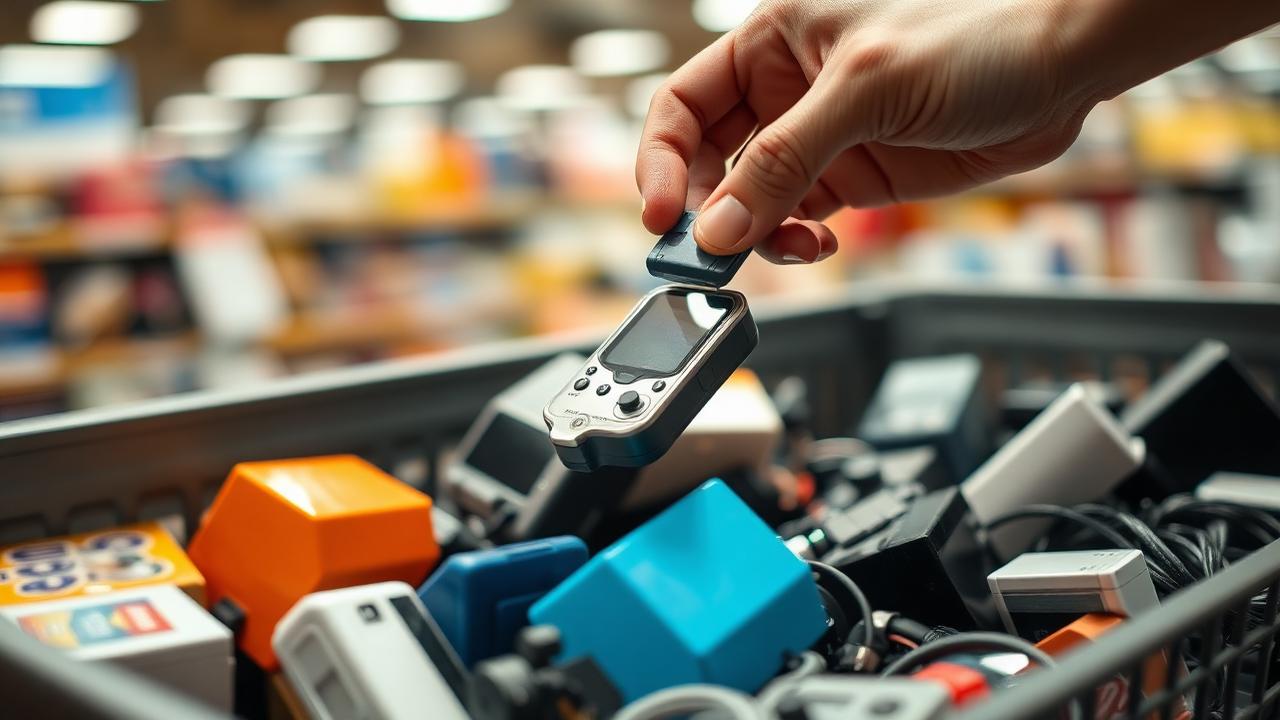
- Inspect everything check for missing pieces, cracks, and whether electronics power on before you check out.
- Bring your phone to quickly look up a product if you’re unsure what it is or whether it’s a good find.
- Set a loose budget before you start; bin browsing is easy to lose track of time (and cart space) in.
- Keep an open mind the best hauls usually come from items shoppers weren’t specifically looking for.
The Deals 4 Less Difference
This whole cycle return, grade, liquidate, restock is exactly what fuels the shelves at Deals 4 Less, a local discount store built around turning Amazon returns and liquidation pallets into real savings for everyday shoppers. Instead of guessing what a bin store experience might be like, you can walk in, dig through fresh inventory, and see the whole idea in action for yourself.
Dig Into Fresh Amazon Return Bins in Fresno
New bins drop weekly at Deals4Less — walk in early for the best picks and lowest prices as the week goes on.