Wholesale Pallets vs. Bin Stores: What's Actually the Better Deal?
Thinking about buying a wholesale pallet versus just shopping a bin store? Here's the real difference in risk, effort, and what you actually walk away with.
Key Takeaways
- A wholesale pallet is a bulk, often unseen bundle of merchandise bought sight-unseen by resellers; a bin store lets everyday shoppers pick individual items they can actually see and touch first.
- Bin stores exist because most people don't want to gamble on a pallet, sort through hundreds of items, and photograph and list what's left over they just want the good stuff, today.
- The declining daily price model most bin stores use rewards early shoppers with better selection and later shoppers with deeper discounts, which is exactly why the same bin looks completely different Monday versus Friday.
- Manifested pallets show exactly what's inside before you buy; unmanifested pallets are a blind gamble, which is the single biggest risk difference between reselling pallets and simply shopping a bin store.
- The bin store model has grown rapidly nationwide precisely because it removes the sorting, listing, and shipping work a pallet buyer has to do themselves.
Wholesale Pallets and Bin Stores Aren't the Same Thing
People use "pallets" and "bin stores" almost interchangeably in casual conversation, and it's easy to see why both trace back to the same source: retailer overstock, returns, and shelf pulls that need to move fast and cheap. But they are genuinely different ways of accessing that same inventory, with very different amounts of risk, effort, and reward attached to each one. Buying a wholesale pallet means buying blind, in bulk, and then doing the work yourself to figure out what you actually got. Shopping a bin store in California means someone else already did that sorting, and you're just picking through what's left, item by item, at a price that drops the longer it sits.
Understanding which one actually fits what you're trying to do furnish a house on the cheap, find gifts, or build an actual resale business comes down to a handful of practical differences that rarely get spelled out clearly. That's worth walking through before anyone drops money on either option.
It's also worth saying plainly that neither option is a scam or a gimmick both are legitimate ways real inventory moves through the secondary market every week. The confusion mostly comes from marketing blur online, where "bin store" videos and "pallet flip" videos get shown side by side as though they're the same hustle. They're not, and picking the wrong one for what you actually want can mean paying for a headache instead of a deal.
How Wholesale Pallets Actually Work
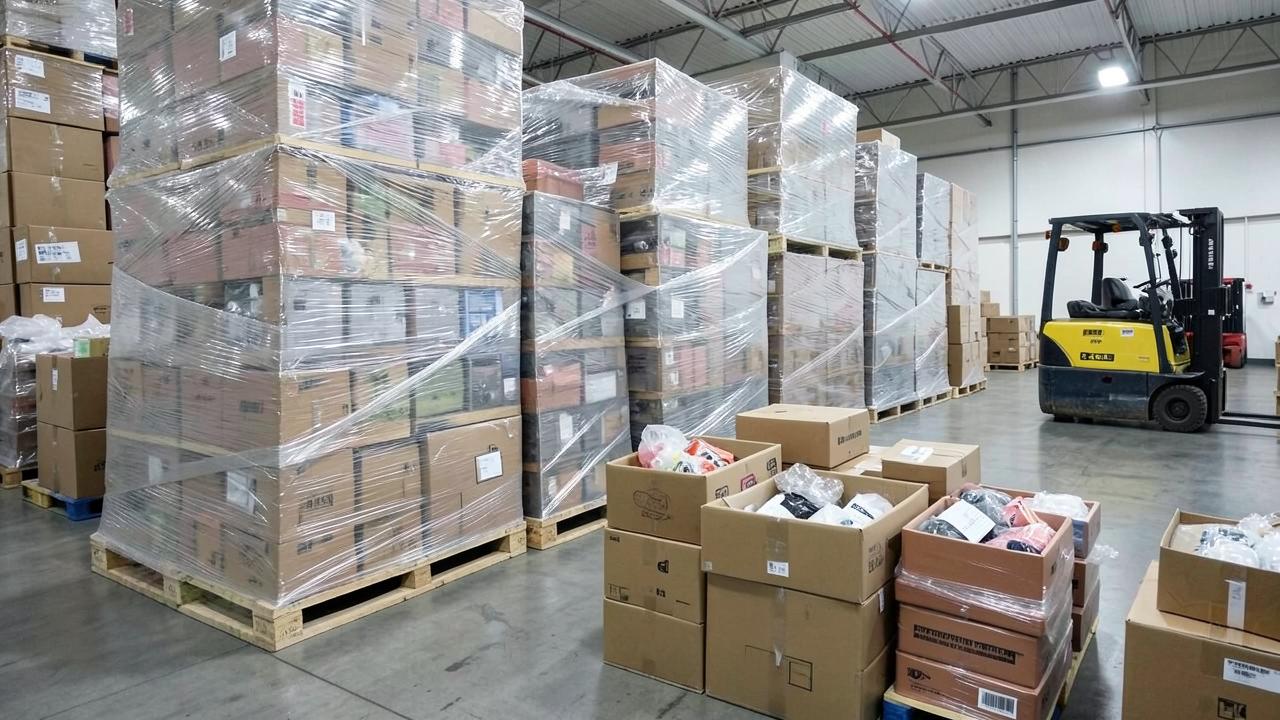
A wholesale pallet is exactly what it sounds like: a stack of merchandise, usually 200 to a few thousand individual items, bundled together and sold as one unit, typically to resellers, flea market vendors, and bin store operators themselves. Big retailers move enormous volumes of customer returns, shelf pulls, and overstock through liquidation channels every single week, and rather than sell all of it piece by piece, they bundle it and sell in bulk at a steep discount off original retail value. The buyer's job from there is entirely on them: unbox everything, sort what's usable from what's damaged or worthless, photograph and list anything they intend to resell, and absorb the loss on whatever turns out to be junk.
That's the part people underestimate going in. A pallet can be listed with an impressive total retail value on paper, but that number reflects what the items would have sold for brand new at full price, not what they're actually worth once they're sitting in a garage with mismatched pieces, missing parts, or last season's styling. The real value of any pallet depends entirely on whether people actually want what's inside it, not on the number printed on the manifest.
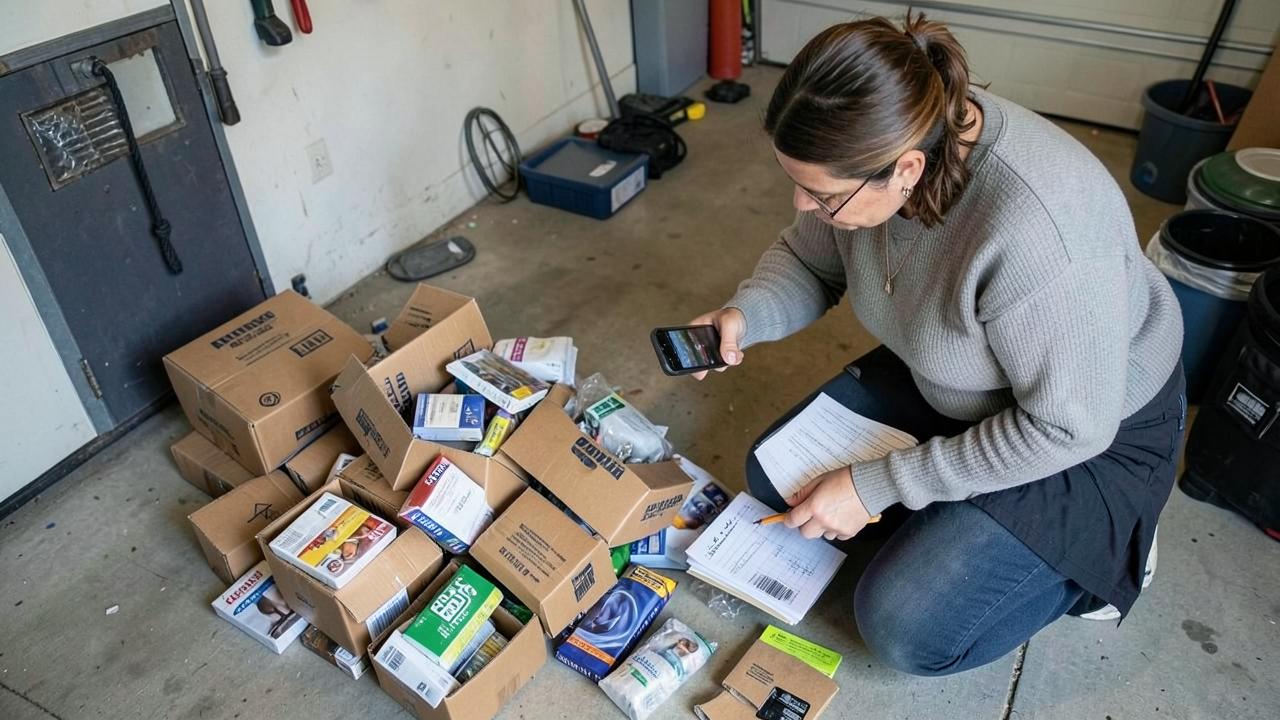
There's also a time cost that rarely makes it into the pitch. Photographing, describing, and listing a few hundred small items individually is genuinely tedious work, and it's the reason so many pallet buyers end up with what resellers sometimes call a “death pile” a growing stack of stuff nobody got around to listing because the sorting alone ate up every spare hour. None of that shows up in the excitement of unboxing a fresh pallet on camera, but it's exactly the work a bin store shopper never has to do.
| Pallet Type | What You Know Before Buying | Risk Level |
|---|---|---|
| Manifested pallet | Itemized list of contents, often with condition notes | Lower you know roughly what you're getting |
| Unmanifested pallet | Category only (e.g. “general merchandise”), nothing itemized | Higher genuinely a blind gamble |
| Shelf-pull / overstock pallet | New, unused items pulled to make room for new stock | Lower condition is typically reliable |
| Customer-return pallet | Mixed condition, some tested, some not | Higher functionality varies item to item |
How Bin Stores Turn That Same Inventory Into a Treasure Hunt
Bin stores take the exact same category of liquidation inventory and flip the entire experience around. Instead of one buyer taking on an entire pallet sight-unseen, the store takes on that risk once, dumps everything into open bins, and lets individual shoppers dig through and buy exactly what they want, one item at a time, fully visible and in hand before they pay for it. Nobody's buying blind at a bin store the way they are with an unmanifested pallet you can pick it up, check it, and decide it's not for you at zero cost.
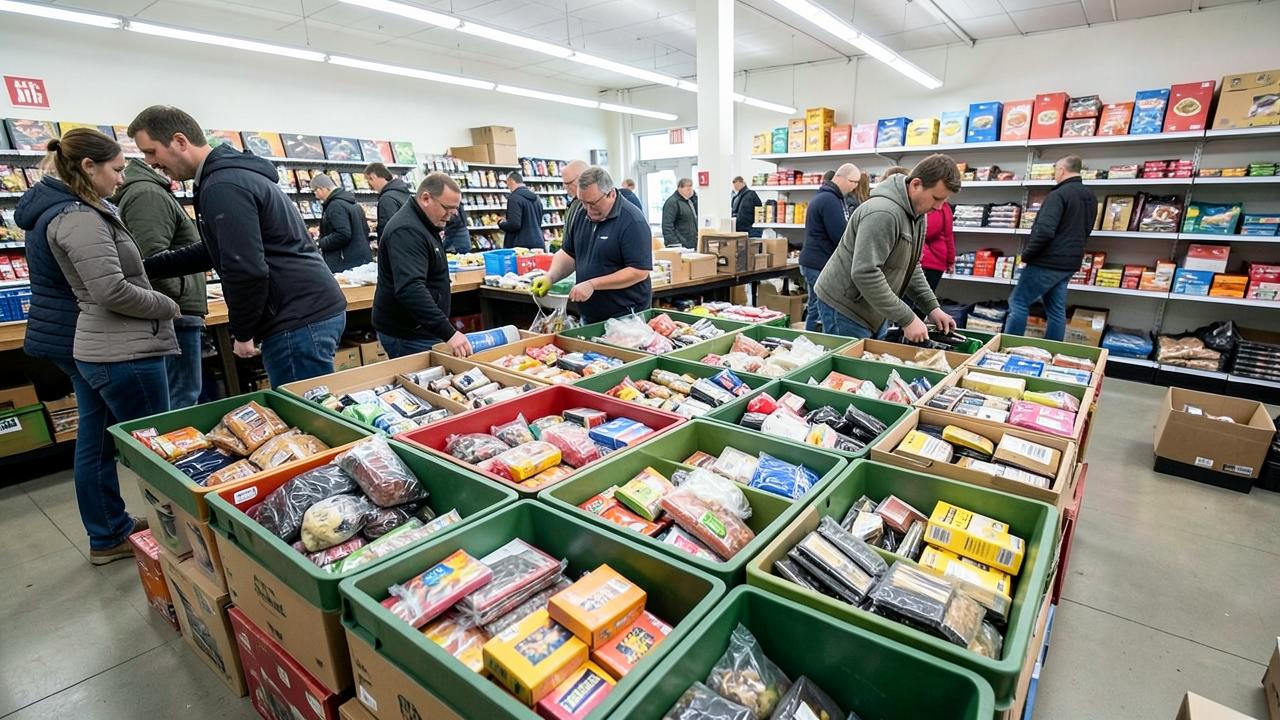
The pricing structure is what makes the model work, and it's built around urgency. A fresh restock day brings out the best selection at the highest bin prices, since everything is new and shoppers are betting the good stuff will be gone soon. Prices then decline day by day as the bins get picked over, rewarding shoppers willing to wait and dig through what's left for a much deeper discount. By the last day before restock, prices bottom out, the bins get cleared, and the whole cycle starts over with a completely fresh load.
| Point in the Weekly Cycle | Selection Quality | Typical Shopper Mindset |
|---|---|---|
| Restock day | Best selection, freshest inventory | Arrive early to beat the crowd to top items |
| Mid-week | Selection thinning out, still solid finds | Balance decent selection against lower prices |
| Final days before restock | Picked-over, but deepest discounts | Dig patiently for hidden gems at rock-bottom prices |
Why the Bin Store Model Keeps Growing
The bin store format has spread quickly across the country, and the reasons come down to something simple: most people want the deal without the work. Industry guidance on starting a bin store points out that the format has exploded nationwide largely because of the treasure-hunt experience it creates for shoppers, combined with genuinely low overhead for the store itself open bins, simple pricing, and no need for the fixtures or systems a traditional retail store requires. That efficiency is exactly what allows a bin store to sell at prices that would be nearly impossible for a standard retailer working off normal wholesale costs.
The reseller side of the equation, by contrast, comes with a well-documented set of tradeoffs. Comparisons of wholesale pallets versus single-pallet buying note that larger wholesale purchases typically require bigger upfront investment and longer cash cycles before that inventory turns into actual sales, while smaller single-pallet buys let a reseller test a category with less money at risk but usually at a weaker per-unit cost. Either way, someone has to do the sorting, testing, and listing work work a bin store shopper simply skips by walking in and picking up what's already sitting in the bin.
Which One Is Actually Right for You?
If the goal is building an actual resale business and there's time to sort, test, photograph, and list hundreds of items, a manifested wholesale pallet from a reputable supplier can make sense, especially for someone willing to accept the learning curve and occasional dud batch. But if the goal is simply finding great deals on real, visible merchandise without gambling on a pallet you've never seen opened, a bin store does that job better, faster, and with none of the guesswork. Deals 4 Less runs exactly that model in California, restocking bins regularly with furniture, electronics, and everyday finds pulled from major retailer liquidation channels, so shoppers get the thrill of the hunt without ever having to buy an entire pallet just to find out what's actually inside.
Skip the Pallet Gamble — Shop the Bins Instead
Deals 4 Less restocks bins regularly with furniture, electronics, and everyday finds. Questions about restock days or what's in store? Reach out and we'll help.