Reseller Tips: How to Turn Bin Store Finds Into Real Profit
Want to turn bin store finds into resale profit? Get proven tips on sourcing, pricing, and selling liquidation items the smart way.
Key Takeaways
- Successful resellers treat bin stores as a sourcing strategy, not a one-off shopping trip consistency is what actually builds a profitable flip business.
- Not every category resells equally well; knowing what tends to move fast versus what sits saves time and storage space.
- Researching completed sale prices before buying, not after, is what separates profitable flips from guesswork.
- Different platforms suit different categories matching the item to the right marketplace matters as much as the find itself.
- The biggest mistakes new resellers make are about time and cash flow, not about finding good items.
Why Resellers Keep Coming Back to Bin Stores
Thrift stores and garage sales have long been reseller staples, but a bin store in California has become one of the more reliable sourcing spots for a different reason: volume and variety. Instead of picking through a handful of items on a shelf, you’re digging through fresh liquidation inventory that turns over weekly, which means a serious reseller can build an actual routine around it instead of hoping for a lucky find. The unpredictability that makes bin stores fun for casual shoppers is exactly what makes them valuable for resellers new stock means new opportunities, week after week.
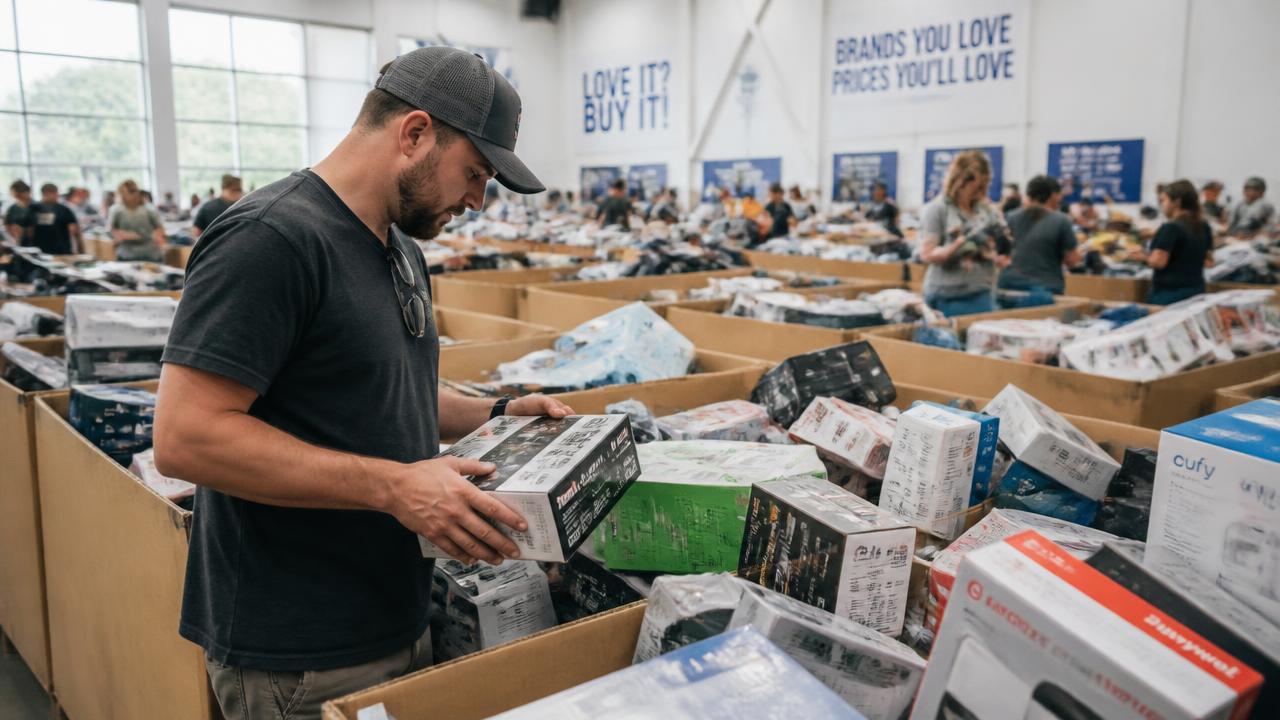
What to Look For When Sourcing
Not everything in a bin is worth the time it takes to list. Experienced resellers tend to prioritize categories with a track record of moving quickly:
| Category | Resale Demand | Typical Turnaround |
|---|---|---|
| Name-brand electronics | High | Fast |
| Small kitchen appliances | Moderate to High | Fast to moderate |
| Sealed toys and games | High (seasonal spikes) | Fast, especially near holidays |
| Tools and outdoor gear | Moderate | Moderate |
| Generic home decor | Low | Slow |
Pricing Your Finds Without Guessing
The most common rookie mistake is pricing based on what an item originally retailed for instead of what it’s actually selling for right now. Before buying anything with real resale potential, check completed and sold listings on the platform you plan to sell it on not just active listings, which only show what sellers are asking, not what buyers are paying. This approach is a core part of what’s generally known as retail arbitrage, the practice of buying discounted goods in one setting and reselling them elsewhere for a profit. The research takes a few extra minutes at the bin, but it’s the difference between a confident purchase and an item that sits in your inventory for months.
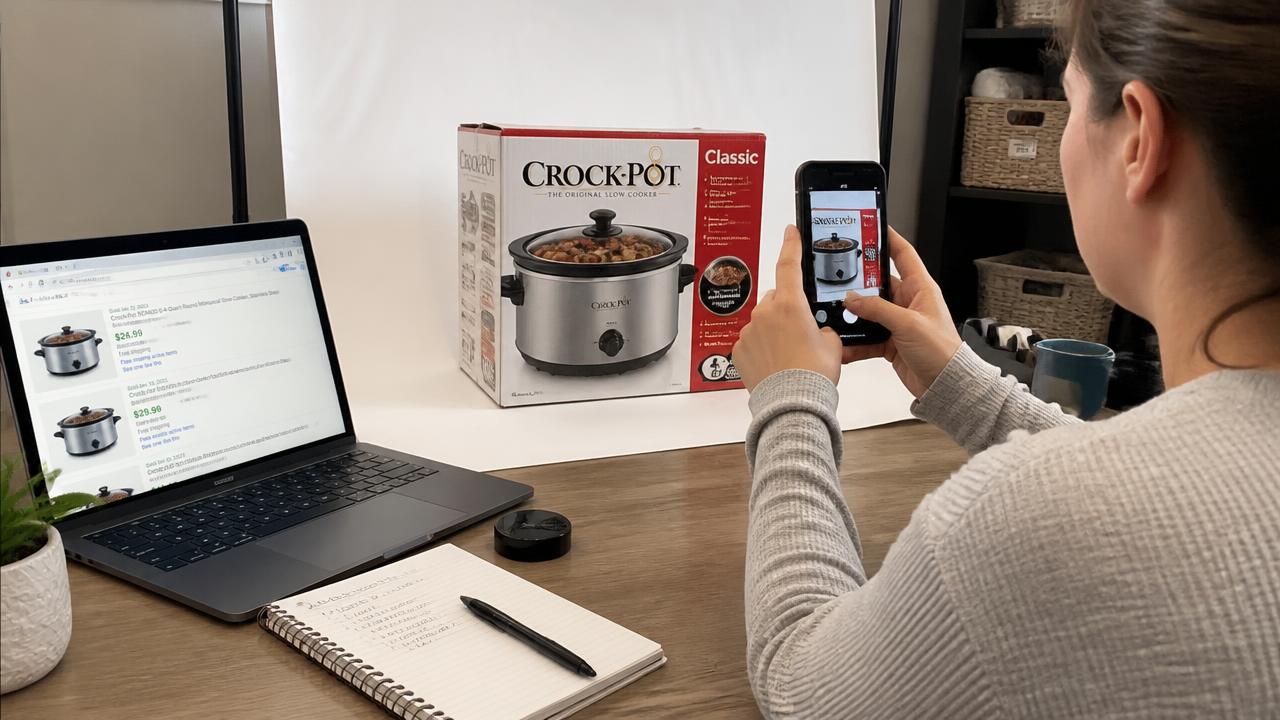
Where to Sell What
| Platform | Best For | Audience Type |
|---|---|---|
| Online marketplaces (eBay-style) | Electronics, collectibles, unique finds | Nationwide buyers, often deal-focused |
| Local marketplace apps | Furniture, large or heavy items | Local buyers avoiding shipping |
| Social selling groups | Trendy or seasonal items | Local, fast-moving audience |
| Consignment or specialty shops | Designer goods, niche categories | Buyers seeking authenticity or expertise |
Common Mistakes New Resellers Make
- Buying too much, too fast. Inventory that doesn’t move ties up cash and storage space.
- Skipping the research step. Assuming an item will sell without checking real sold prices leads to overbuying dead stock.
- Listing without testing. Untested electronics that turn out to be broken create returns and bad reviews.
- Ignoring seasonality. Holiday toys and summer gear move fast in-season and slowly the rest of the year.
- Underestimating listing time. Photographing, describing, and shipping items takes real time factor it in before buying in bulk.
Building a Repeatable Sourcing Routine
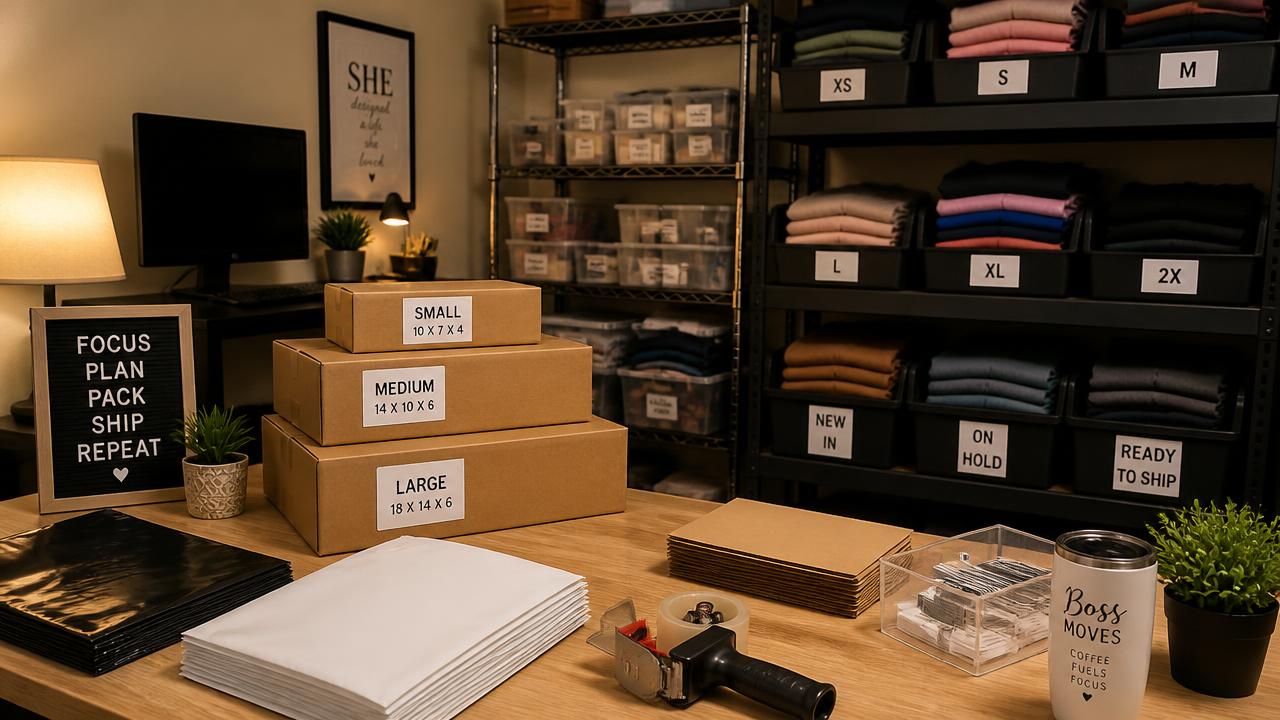
The resellers who actually turn this into consistent income treat sourcing like a schedule, not a hobby. That means learning restock days, setting a budget per visit, and having a rough sense of what’s currently in demand before walking in the door. Understanding how the broader liquidation industry moves inventory in bulk, on a rotating basis, with pricing that drops the longer items sit helps explain why timing your visits matters just as much as knowing what to look for once you’re inside.
The Bottom Line
Flipping bin store finds isn’t about luck it’s about knowing what to look for, checking real resale data before you buy, and matching each item to the platform where it’ll actually sell. Treat it like a routine instead of a one-time trip, and the profitable finds start to add up.
With fresh inventory rotating in regularly, Deals 4 Less is where a lot of local resellers build that routine around, week after week.
Source Your Next Flip at Deals4Less
Fresh liquidation inventory rotates in every week. Reach out to ask about restock days and current categories.